
Physical therapy for healthy aging is one of the most effective, evidence-based ways to maintain independence, mobility, and quality of life as people grow older. Aging naturally brings changes such as reduced muscle strength, slower reflexes, joint stiffness, and balance issues. These changes can increase the risk of falls and limit daily activities.
However, research consistently shows that structured physical activity and physiotherapy can significantly slow functional decline and improve long-term health outcomes. Global guidelines also recommend regular movement for older adults, including aerobic activity, strength training, and balance-focused exercises, as they reduce disease risk and improve functional ability.
What Does Physical Therapy for Healthy Aging Really Mean?
Physical therapy for healthy aging is not just exercise; it is a structured and personalized approach to maintaining physical function in older adults. It focuses on improving movement quality, preventing injury, and supporting independence in daily life.
Unlike general fitness routines, geriatric physiotherapy is tailored to an individual’s health condition, mobility level, and medical history. It is commonly used for conditions like arthritis, osteoporosis, post-surgical recovery, and general age-related weakness.
Physiotherapists assess strength, balance, posture, and walking ability before designing a safe and progressive rehabilitation plan that supports long-term mobility and independence.
How Does Physical Therapy Support Healthy Aging?
One of the most important roles of physical therapy is slowing down age-related physical decline. As muscle mass decreases with age, resistance-based training helps preserve the strength needed for daily tasks such as standing, walking, and climbing stairs. This directly reduces the risk of frailty and dependence.
Balance training is another core component. Falls are a major health risk in older adults, often leading to long recovery periods or long-term disability. Physiotherapy improves coordination, reaction time, and stability, which significantly lowers fall risk.
Physical therapy also supports cardiovascular health through light aerobic activity like walking or cycling. This improves stamina, circulation, and energy levels, making everyday movement easier and less tiring.
In addition, regular movement has been linked to better cognitive function and mental health, helping reduce the risk of cognitive decline and improving overall mood and well-being.
Recommended Physical Activity Levels for Older Adults
International health guidelines strongly recommend that older adults stay physically active throughout the week. According to global standards, adults over 65 should aim for at least 150–300 minutes of moderate aerobic activity weekly, combined with muscle-strengthening exercises on at least two days per week. Balance and functional training should also be included several times weekly to reduce fall risk and maintain mobility.
Importantly, even light activity is beneficial. The key principle is consistency rather than intensity. Small daily movements are better than long periods of inactivity.
Effective Physical Therapy Exercises for Healthy Aging
A well-rounded physiotherapy program includes strength, balance, aerobic, and mobility exercises. Strength training helps maintain muscle mass and supports independence in daily tasks. Common exercises include sit-to-stand movements, resistance band training, and step-based exercises.
Balance exercises are equally important for fall prevention. These may include standing on one leg, heel-to-toe walking, and controlled weight shifting movements that improve stability and coordination.
Aerobic exercises such as walking, swimming, or cycling help improve cardiovascular health and endurance. These activities are low-impact and suitable for most older adults when done at a comfortable pace.
Flexibility and mobility exercises are also essential because they reduce stiffness and improve joint movement. Gentle stretching, yoga, and guided mobility routines can help maintain range of motion and reduce discomfort.
Role of a Physiotherapist in Healthy Aging
A physiotherapist plays a central role in designing safe and effective exercise programs for older adults. They do not follow a one-size-fits-all approach. Instead, they assess each individual’s physical condition, medical history, and mobility limitations before creating a customized plan.
They also ensure that exercises are performed correctly to prevent injury and gradually increase difficulty as strength improves. This structured progression is especially important for older adults with chronic conditions or a history of falls.
Common Conditions Treated with Physiotherapy in Older Adults
Physical therapy is widely used for managing age-related conditions such as arthritis, osteoporosis, frailty, and post-surgical recovery. In arthritis, physiotherapy helps reduce stiffness and improve joint movement. For osteoporosis, weight-bearing exercises help strengthen bones and reduce fracture risk.
In cases of frailty or general weakness, progressive resistance training improves overall physical capacity. After surgery or injury, physiotherapy helps restore movement, improve gait, and rebuild strength for daily activities.
At-Home vs Clinic-Based Physiotherapy
Physical therapy for healthy aging can be done either at home or in a clinical setting, and both approaches have value. Home-based therapy is convenient and helps patients maintain consistency, especially for long-term maintenance and mild conditions.
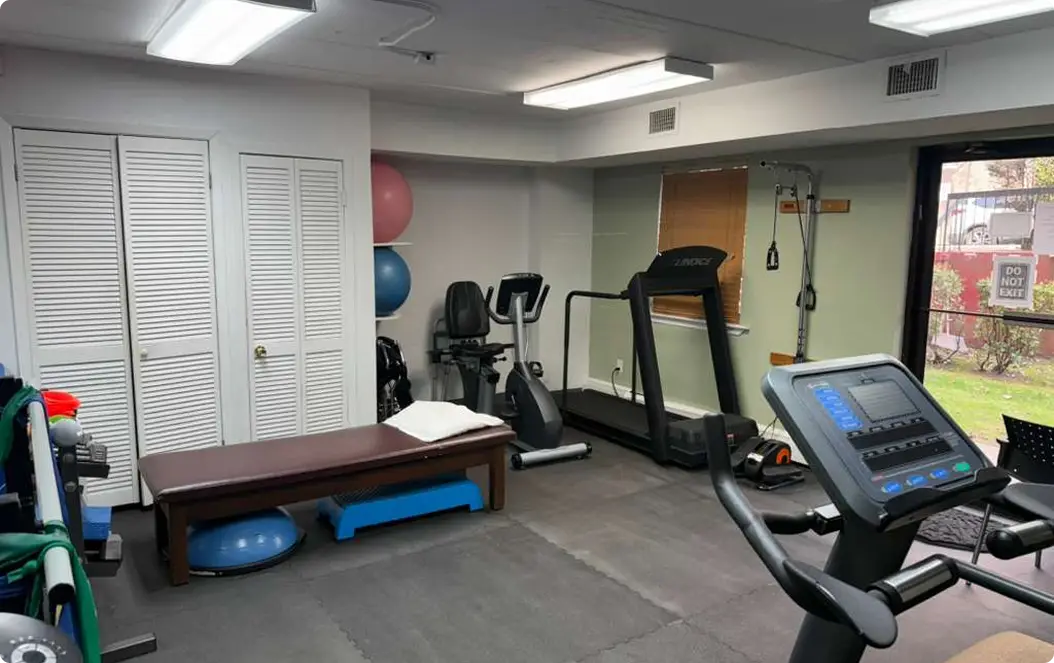
Clinic-based therapy provides supervised rehabilitation with access to specialized equipment and hands-on guidance. Many older adults benefit most from a combination of both, where clinical sessions are supported by structured home exercise routines.
Common Mistakes to Avoid
Many older adults make the mistake of focusing only on walking or light cardio while ignoring strength training, which is essential for maintaining independence. Others skip balance exercises, which increases fall risk.
Another common issue is inconsistency. Physiotherapy works best when practiced regularly over time. Overtraining or doing exercises incorrectly can also lead to injury, which is why proper guidance is important.
How to Start Physical Therapy for Healthy Aging?
Starting physical therapy begins with a basic health assessment followed by consultation with a licensed physiotherapist. From there, a low-impact program is introduced and gradually progresses based on tolerance and improvement.
The most important factor is consistency. Even small daily efforts lead to significant long-term improvements in mobility, strength, and independence.
Conclusion
Physical therapy for healthy aging is one of the most effective strategies for maintaining independence, preventing falls, and improving overall quality of life in older adults. It supports strength, balance, cardiovascular health, and cognitive function through structured, evidence-based movement.
Aging is inevitable, but loss of mobility and independence does not have to be. With the right physiotherapy approach, older adults can stay active, confident, and functional for many years.