
Your body sends signals when something is not right, but most people ignore the early signs. They wait until the pain gets worse or movement becomes difficult and starts affecting daily life.
Physical therapy is not just for injuries. It helps restore movement, reduce pain, and prevent long-term problems.
In this guide, you will learn the key signs that show you might need physical therapy, along with simple insights to help you take action early.
What Is Physical Therapy?
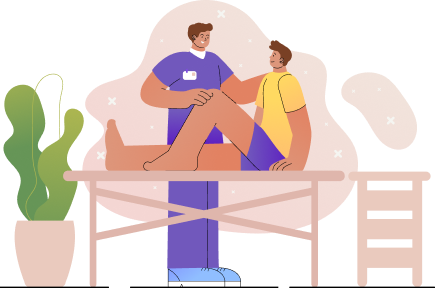
Physical therapy is a non-invasive treatment approach. It focuses on improving movement, strength, flexibility, and overall function.
It treats injuries, chronic conditions, and physical limitations. Therapists use targeted exercises, manual therapy, and education to help patients recover and move better.
Top 10 Signs You Might Need a Physical Therapist
1. Persistent Pain That Won’t Go Away
Occasional aches are normal, but pain that lasts more than a few days or keeps coming back is not. You should not ignore it. Many people deal with chronic back, neck, or joint pain.
Some feel pain that gets worse with activity, while others struggle with discomfort that affects sleep or daily tasks. Persistent pain often signals an underlying issue that needs proper assessment and timely treatment.
2. Limited Mobility or Stiffness
If you struggle to move freely, your body is trying to tell you something. You may find it hard to bend, reach, or turn your body. Sometimes joints feel stiff after sitting or resting for a long time.
You may also notice a reduced range of motion in daily activities. Do not ignore this stiffness. It can lead to long term mobility problems and muscle imbalances.
3. Difficulty Performing Daily Activities
Simple tasks should not feel exhausting or painful. You may notice trouble walking, climbing stairs, or even standing for long periods. Some people also struggle with lifting objects. Others feel tired during normal daily activities.
When daily life starts feeling physically hard, physical therapy can help. It helps rebuild strength and improve function so you can move better again.
4. Recovery After Injury or Surgery
Whether it is a sports injury, accident, or surgery, proper rehabilitation is very important. If you do not go for physical therapy, your muscles can weaken. Your joints may also become stiff. Recovery can slow down more than expected.
Structured therapy helps you rebuild strength and flexibility. It also helps you regain confidence in your movement.
5. Balance Issues or Frequent Falls
Losing balance is not only an age-related issue. It can also happen because of injuries or neurological conditions. You may feel unsteady while walking. Some people experience frequent slips or falls. Others deal with dizziness or coordination problems.
Physical therapy helps improve balance. It also reduces the risk of falls with targeted exercises.
6. Recurring Injuries
If the same injury keeps coming back, it is a red flag. You may keep getting repeated ankle sprains. Some people deal with chronic muscle strains. Others feel pain again when they do the same activity.
This often means your movement patterns are not right. It can also point to muscle imbalances that need correction.
7. Swelling or Inflammation That Doesn’t Improve
Swelling and stiffness that last longer than expected can signal improper healing. You may notice joint swelling after even minor activity. Some people feel stiffness that limits movement. Others deal with painful inflammation.
Do not ignore these symptoms. They can reduce mobility and may lead to long-term joint damage.
8. Weakness or Loss of Strength
Muscle weakness can develop slowly, and you may not notice it until it starts affecting your function. You may find it hard to lift or carry objects. Some people feel unstable during movement. Others notice reduced endurance in daily activities.
Physical therapy helps you rebuild strength in a safe and effective way.
9. Pain That Affects Your Lifestyle
If pain forces you to stop doing activities you enjoy, it is time to take action. You may start avoiding exercise because of discomfort. Some people change their posture or movement just to avoid pain. Others reduce their physical activity without even realizing it.
Do not ignore this. Addressing the root cause early can help prevent further complications.
10. Chronic Conditions Affecting Movement
Physical therapy works really well for managing chronic conditions. It helps people deal with issues like arthritis, neurological disorders such as stroke or Parkinson’s, and long-term musculoskeletal problems.
It improves mobility and helps reduce symptoms. Over time, it also improves the overall quality of life and makes daily activities easier.
Why You Shouldn’t Ignore These Signs
If you delay treatment, things can get worse. Pain and stiffness may increase over time. Recovery can take longer than expected. You may also face a higher risk of injury. In some cases, it can affect your overall quality of life.
Early treatment helps you avoid these problems. It also speeds up recovery and helps you get back to normal life faster.
When to See a Physical Therapist Immediately
Seek professional help if you experience severe pain that limits your movement. You should also take it seriously if you cannot bear weight on a limb. Some people suddenly lose balance or coordination, which is a clear warning sign. Pain that lasts more than 2–3 weeks should not be ignored either.
These symptoms can point to a serious underlying issue. You need prompt attention to avoid further complications.
Final Thoughts
Your body rarely fails without warning; it gives signals first. You just need to notice them early. When you do, it can make a big difference in your recovery and long-term health.
Physical therapy is not just about treating pain. It helps restore movement, improve strength, and get you back to an active, pain-free life. If you notice any of these signs, do not wait. Taking action early can save you from bigger problems later.
If you’re experiencing any of these signs, don’t wait. Early physical therapy can help you recover faster and avoid long-term complications. Book a consultation today.